
The thrill of chance: Why we are drawn to gamble
The Allure of Uncertainty
The feeling of uncertainty can evoke a curious blend of excitement and fear. When individuals engage in gambling, they step into an environment where the outcomes are not predetermined, which generates a potent cocktail of emotions. This uncertainty provides a thrill that is often likened to the rush experienced when facing a dangerous or exhilarating situation. The unpredictability of whether one will win or lose creates an adrenaline rush, drawing people back to the gaming tables or online platforms.
The psychology of risk reveals that many people are not merely put off by uncertainty; rather, they seek it. This quest for thrills in gambling connects deeply to our primal instincts, compelling us to engage in risk-taking behavior. Indeed, some studies suggest that the brain’s reward system releases dopamine—the neurotransmitter associated with pleasure—when faced with high-risk situations, reinforcing our desire to gamble.
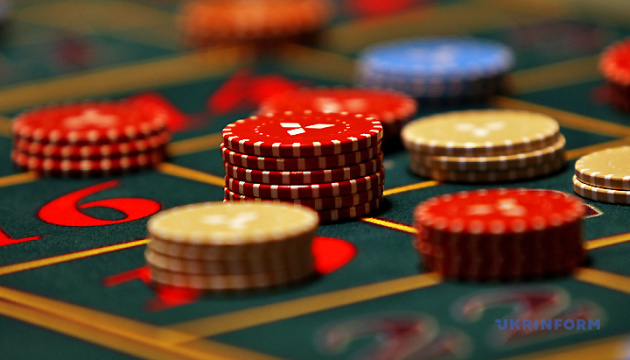
This biological element intertwines with social influence, as individuals often find themselves drawn into gambling scenarios by friends or cultural trends. As a result, the act of gambling becomes a multifaceted experience that integrates adventure, socialization, and a surge of neurochemical reactions. With each wager placed, a gambler becomes part of an exhilarating dance between hope and anxiety, further deepening the attraction of chance.
The Social Aspect of Gambling
Beyond the personal excitement of chance, gambling also offers a unique social experience. Many people are drawn to casinos and gaming communities not only for the games themselves, but also for the camaraderie that develops among players. The atmosphere at gambling venues—be it the sounds of slot machines or the chatter at poker tables—creates a communal experience that fosters connections among players. This shared engagement amplifies the thrill, making wins feel more significant and losses more bearable.
Moreover, social interactions during gambling can influence decision-making. Peer pressure and competition often lead individuals to take risks they might otherwise avoid. This dynamic can further fuel the draw of gambling, as friends and acquaintances make the venture more exciting and engaging, transforming an individual activity into a collective experience. In essence, the support of fellow gamblers can add layers of complexity to the experience, making it all the more appealing. Ultimately, this social component transforms mere gaming into an event filled with shared narratives and collective emotions.

The Role of Rewards and Incentives
The potential for rewards is a major component of the thrill associated with gambling. The excitement of winning, even if it is a small amount, can create a powerful desire to continue playing. Many gambling establishments employ various incentive programs, such as loyalty points and jackpots, to entice players. This creates a cycle where the dream of winning becomes increasingly captivating, making it difficult for individuals to resist the allure of playing again, even after losses.
Additionally, the concept of “near misses” in gambling, where a player comes close to winning but ultimately loses, can perpetuate engagement. Such experiences can stimulate players’ brains, leading them to believe that a win is just around the corner, which can motivate them to keep trying. This complex interplay of potential rewards and psychological triggers builds an environment where the thrill of chance becomes addictive. The brain’s wiring drives a compelling cycle, reinforcing the urge to engage further, often leading to a quest that can extend far beyond a single game or session.
Cultural Influences on Gambling Behavior
Gambling is deeply embedded in various cultures around the world, affecting perceptions and participation rates in distinct ways. In some societies, betting and gaming are seen as traditional forms of entertainment, celebrated during holidays and communal gatherings. Movies, literature, and media often glamorize gambling, representing it as an exciting and adventurous undertaking. This cultural backdrop not only normalizes gambling but also enhances its appeal, further drawing individuals to the thrill of chance.
The influence of cultural attitudes extends to the regulation of gambling as well. In places where it is tightly controlled, there tends to be a greater mystique surrounding it, which can also increase the allure. The taboo nature of gambling can enhance its attractiveness, leading people to seek out these experiences as acts of rebellion or adventure. Thus, cultural context plays a critical role in shaping our relationship with gambling and the thrill it represents. As cultural narratives evolve, so do the perceptions around risk-taking and chance, making gambling a constantly shifting landscape that mirrors societal values.
Finding Your Place Online
For those seeking the thrill of chance without the need to venture into physical establishments, numerous online platforms cater to this desire. The convenience and accessibility provided by online casinos make it easier than ever to dive into the world of gambling from the comfort of one’s home. Notably, reputable sites often offer various betting games and platforms, designed to create an immersive experience that replicates the excitement found in traditional settings.
As the landscape of gambling evolves with technology, players can explore diverse options that enhance their gaming experiences. Quality websites like top $20 online casinos nz real money not only present exciting opportunities but also ensure player safety and responsible gambling practices. Those drawn to the thrill of chance can now navigate a virtual landscape that provides not just entertainment but also a community that shares in the love for games of luck. The online gambling experience combines convenience with social interaction through chat rooms and forums, allowing players to connect beyond the gameplay, nurturing ongoing friendships and a sense of belonging in a digital age.

