
Cultural contrasts in casino experiences across the globe
The Historical Context of Casinos
The history of casinos is as diverse as the cultures that embrace them. Originating in Italy during the 17th century, the word “casino” itself derives from the Italian term for a small house or villa. As gaming spread across Europe, different cultures adapted gambling to fit their social norms and traditions. For instance, in France, casinos became synonymous with lavish parties and elite social gatherings, whereas in Italy, they were often family-friendly venues that catered to a broad demographic. As an example, when exploring options such as uk football betting sites, understanding these historical contexts can enhance the overall experience.
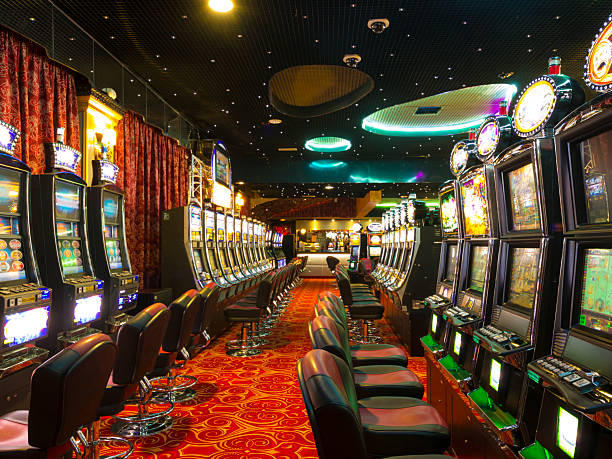
In America, the history of casinos took a different route with the establishment of gambling houses during the Gold Rush in the 19th century. The legalization of casinos in Nevada in the 1930s marked a pivotal moment, shaping the way casinos were perceived—primarily as venues for adult entertainment. This cultural shift paved the way for Las Vegas, where extravagance and themed resorts have become a defining characteristic of the gambling experience.
Today, the global landscape of casinos reflects these historical influences, with each region possessing unique traits. For instance, in Macau, casinos are vibrant and extravagant, focusing on luxury and high-stakes gambling, while in smaller locales, such as parts of Eastern Europe, casinos often maintain a more intimate atmosphere, catering to local preferences and cultural practices.
Gambling Regulations and Cultural Norms
Cultural attitudes towards gambling significantly influence casino operations and regulations across the globe. In countries like Japan, where gambling is restricted, specific forms, such as pachinko parlors, have emerged. These venues blend gaming with entertainment, demonstrating how cultural norms can shape gambling experiences. Conversely, countries with liberal gambling laws, like the United States, see a wide variety of gaming options, from traditional casinos to online platforms, reflecting a culture that often embraces risk and chance.
In contrast, Scandinavian countries tend to approach gambling with caution. In Sweden and Norway, for example, state-run monopolies govern gambling activities to prevent addiction and ensure that revenues benefit society. This regulatory framework influences the casino experience, creating environments that are less about spectacle and more focused on social responsibility and moderation. Such cultural perspectives illustrate how varying attitudes towards gambling can dictate not only the types of games offered but also the overall casino atmosphere.
Meanwhile, in places like Australia, gambling is interwoven into the social fabric, with pubs and clubs featuring poker machines as standard. This acceptance leads to a unique cultural phenomenon where gambling is viewed as a leisure activity rather than a vice. Such differences highlight the diverse ways in which casinos are embedded within social frameworks, affecting everything from the design of gambling establishments to their clientele.
The Role of Technology in Casino Experiences
Technology has profoundly transformed casino experiences worldwide, enhancing engagement and accessibility. In recent years, the rise of mobile gaming applications and online casinos has shifted traditional notions of gambling. For instance, in the United Kingdom, online platforms have become increasingly popular, allowing players to enjoy a diverse range of games from the comfort of their homes. This transition has also enabled casinos to reach a broader audience, transcending geographical barriers.
In contrast, in regions where traditional casinos still dominate, such as Las Vegas, the integration of technology manifests in more elaborate ways. Many casinos now feature high-tech slot machines and interactive gaming tables, creating immersive experiences that draw in tech-savvy younger generations. This blend of technology with traditional gaming illustrates the evolving landscape, where the physical casino environment adapts to the digital age while still retaining its core appeal.
Furthermore, innovations such as virtual reality and augmented reality have begun to make their mark in casinos around the world. These technologies provide players with a unique gaming experience that merges the real and digital worlds. For example, some casinos in Asia have experimented with VR gaming rooms, offering players a fully immersive experience that enhances the thrill of gambling. As technology continues to advance, it will undoubtedly shape the future of casino experiences in unprecedented ways.
Cultural Events and Casino Entertainment
Cultural events and entertainment play a crucial role in shaping the casino experience, reflecting the values and traditions of different societies. In Las Vegas, for example, casinos host extravagant shows featuring world-class performers, from musicians to magicians, creating a vibrant entertainment atmosphere that complements gaming. This focus on spectacle has become a hallmark of the Vegas experience, attracting tourists seeking both gambling and entertainment.
In contrast, casinos in European countries often incorporate local cultural elements into their entertainment offerings. For example, in Monte Carlo, the casino experience is closely tied to the opulence and glamour associated with the region. Guests may enjoy classical music performances or fine dining, highlighting the importance of luxury and sophistication in the gambling experience. This cultural approach emphasizes how casinos can serve as venues for celebrating local customs and traditions.
Additionally, in Asian markets, casinos often reflect a blend of traditional and modern entertainment. In Macau, for instance, many casinos showcase Chinese cultural performances, such as lion dances or acrobatics, to engage local patrons. These events not only enrich the gaming experience but also foster a sense of community, bridging the gap between gambling and cultural heritage. Such diverse entertainment offerings demonstrate the multifaceted role that culture plays in the overall casino experience across the globe.
Exploring the Future of Casino Culture
The future of casino culture is poised for significant transformation, driven by trends in technology, regulation, and societal attitudes toward gambling. As online gaming continues to rise, traditional brick-and-mortar casinos will need to adapt to remain competitive. This shift is already prompting many established casinos to enhance their digital presence, offering hybrid experiences that merge online and offline gaming.
Moreover, as societal attitudes toward gambling evolve, casinos may increasingly focus on responsible gaming initiatives. Many operators are now implementing measures to promote safer gambling practices, recognizing the need to balance entertainment with social responsibility. This cultural shift is likely to influence how casinos are designed, marketed, and regulated, emphasizing a more holistic approach to the gambling experience.
Finally, the integration of innovative technologies, such as blockchain and artificial intelligence, is set to redefine casino operations. These advancements can improve security, enhance player experience, and streamline operations. As casinos continue to embrace these changes, the cultural landscape of gambling will inevitably evolve, resulting in experiences that are not only engaging but also responsible and sustainable.

Conclusion: Navigating the Global Casino Landscape
Understanding the cultural contrasts in casino experiences across the globe enriches our appreciation for this multifaceted entertainment sector. From historical roots to technological advancements, each aspect of gambling reflects the values and traditions of the societies in which it thrives. As players seek unique experiences, casinos will continue to evolve, adapting to meet diverse cultural expectations.
By examining these cultural variations, we gain insight into how casinos are not merely places for gambling but also vibrant social hubs that reflect broader societal trends. As the landscape of gambling continues to shift, staying informed about these cultural differences will enhance our experiences, whether we are visiting a local casino or engaging in online gaming from home.

